
Home Addition Services in Dutchess County: Expanding Space With Intention


Most homeowners don’t pursue an addition because they want “more square footage.” They do it because their home no longer fits the way they live. Growing families, work-from-home needs, multigenerational living, or simply outgrowing a once-perfect space are common reasons we see across Dutchess County. A successful home addition isn’t about size alone. It’s about thoughtful design, seamless integration, and long-term comfort.
A Home Addition Is a Design Problem First
The best additions don’t announce themselves. They feel like they’ve always been part of the home.
Additions fail when they’re treated as a simple expansion rather than a design challenge. Proportion, light, flow, and connection to the existing structure matter just as much as square footage. At HPM Craftsmen, we approach additions with the same design discipline we bring to kitchens, bathrooms, and whole-home renovations.
Choosing the Right Type of Addition
Not all additions serve the same purpose. Some of the most common home addition projects we design and build include:
Primary suite additions that add comfort and privacy
Family room expansions that improve daily living
Kitchen additions that enhance layout and functionality
In-law or income suites that provide flexibility and long-term value
Each type of addition comes with different structural and design considerations, which is why early planning is essential.
Integration Matters More Than Size
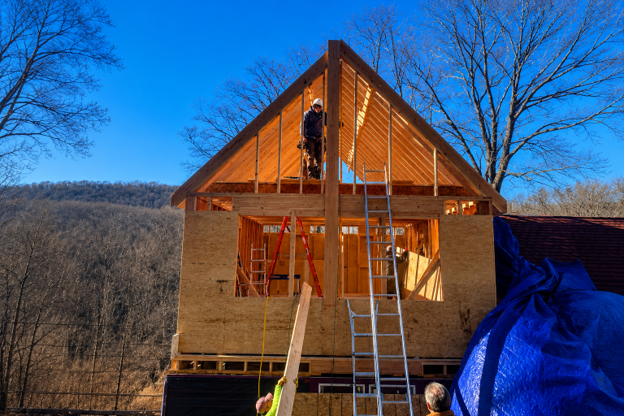
A well-designed addition blends seamlessly inside and out. Rooflines, ceiling heights, exterior materials, and interior transitions must feel intentional.
We often remind clients that the goal isn’t to make the addition impressive on its own, but to make the entire home feel cohesive. When integration is handled well, the addition enhances the original structure rather than competing with it.
Structural and Technical Realities Without the Stress
Home additions involve foundations, framing, insulation, and weather considerations specific to the Hudson Valley. These realities don’t need to be overwhelming, but they do need to be addressed properly.
An experienced team anticipates challenges, plans for them early, and communicates clearly so there are no surprises once construction begins.
Light, Flow, and Everyday Comfort
Additions can unintentionally darken a home if window placement and ceiling strategy aren’t carefully considered. We design with natural light and circulation in mind so new spaces feel open, comfortable, and connected. The best additions improve how the entire home functions, not just the new square footage.
Energy Efficiency and Long-Term Comfort
A properly built addition should enhance energy efficiency, not strain it. Insulation, windows, and HVAC integration play a major role in year-round comfort, especially in older Dutchess County homes.
These decisions protect your investment and support long-term livability.
Why the Right Team Makes All the Difference
Home additions require coordination between design, structure, permits, and construction. When these elements are aligned from the start, the process is smoother and the outcome stronger.
Working with a design-build team experienced in local homes helps prevent missteps and ensures your addition truly belongs.
Final Thoughts
A home addition is an investment in how you live now and how you’ll live in the future. When designed with intention, it can transform your home without sacrificing character or comfort.
Let’s Design With Intention
If you’re planning a home addition and want guidance you can trust — from layout and structural planning to the final details — HPM Craftsmen is here to help.
Schedule a design consultation, and let’s create a space that feels thoughtful, functional, and built to last.
Frequently Asked Questions
How do I make sure an addition matches my existing home?
Successful integration depends on matching architectural details like rooflines, siding, and window styles. A design-first approach ensures the new space feels like a natural extension rather than an afterthought.
What are the most common types of home additions?
Most homeowners choose to add primary suites, kitchen expansions, family rooms, or in-law suites. The "best" type depends on your specific lifestyle needs and your home’s current layout.
Do I need a building permit for a home addition?
Yes. Any project that changes your home's footprint or structural integrity requires local permits. A professional contractor typically handles the filing and coordination with local building departments.
How does an addition affect my home's energy efficiency?
Modern additions are built to current energy codes, featuring superior insulation and high-efficiency windows. When integrated correctly with your existing HVAC system, an addition should improve overall comfort.
Is it better to build "up" or build "out"?
Building "out" (expanding the footprint) is often simpler but uses yard space. Building "up" (adding a second story) preserves your yard but requires a reinforced foundation. The right choice depends on your lot size and budget.


https://kuwin.baby/ ừ mình cũng chỉ mở trên điện thoại xem thử thôi, chứ không có ngồi mò kỹ gì đâu. Ban đầu hơi lo kiểu trang này hay nhồi chữ với nút bấm nhìn mệt, mà vào rồi thấy họ làm khá gọn. Cái menu đặt trên cùng nhìn cái là hiểu đường đi, bấm qua lại mấy chỗ cũng không bị rối hay phải quay lại nhiều. Mình để ý phần trình bày thông tin thôi: các khối nội dung chia rõ ràng, khoảng cách ổn nên lướt nhanh vẫn dễ đọc. Trang tải cũng vừa phải, kéo xuống không bị giật lag gì đáng kể. Nói chung hợp ai cần vào xem nhanh rồi thoát, không phải ngồi…
QS88 mình thấy mọi người nhắc hoài nên cũng bấm vào xem thử cho biết, kiểu tò mò giao diện thôi chứ không có ngồi đọc kỹ hay làm gì nhiều. Vừa vào cái mình để ý ngay là trang nhìn khá thoáng, không bị nhồi chữ dày đặc nên lướt nhanh cũng đỡ mệt mắt. Mấy phần thông tin họ chia theo từng khung riêng, nhìn cái là biết đang ở mục nào, không phải kéo xuống rồi đoán. Mình cũng thích cái cách họ trình bày dạng cột bảng gọn gàng, cảm giác dễ nắm ý hơn so với kiểu viết nguyên đoạn dài. Menu đặt khá rõ nên chuyển qua lại vài chỗ cũng tiện, không cần…
XX88 mình thấy bạn bè nhắc hoài nên bấm vào coi thử cho biết, kiểu tò mò giao diện thôi chứ không đào sâu nội dung. Vào cái là thấy trang làm khá dễ thở, khoảng trắng vừa đủ nên nhìn không bị ngợp. Mình để ý họ chia thông tin theo từng khối rõ ràng, lướt xuống một đoạn là nắm được chỗ nào đang nói về gì, không phải căng mắt tìm. Cái mình thích nữa là menu để ngay chỗ dễ thấy, bấm qua lại mấy mục thấy phản hồi nhanh, không bị rối đường. Nói chung cảm giác thân thiện cho người mới, nhất là cách họ gom nhóm nội dung và trình bày dạng khối…